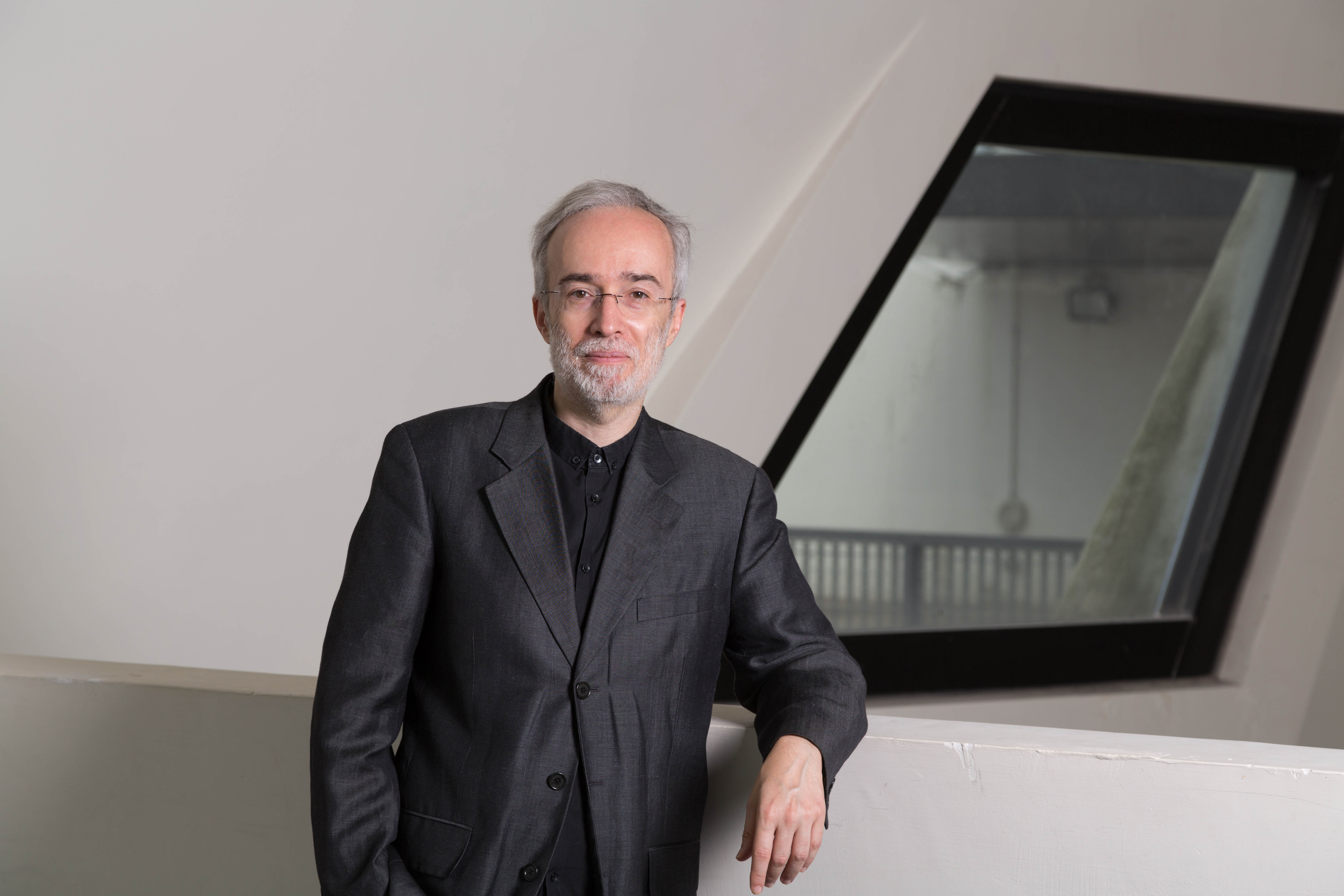
Perceptron Lab

The perceptron Lab was founded by Héctor Rodríguez. Its main aim is to use machine learning and computer vision methods to analyze film aesthetics automatically and to visualize those analyses in the form of video installations. The main research direction to this point has focused mainly on the application of optical flow, matrix factorization, and deep neural networks to the visualization of cinematic movement.
PROJECTS

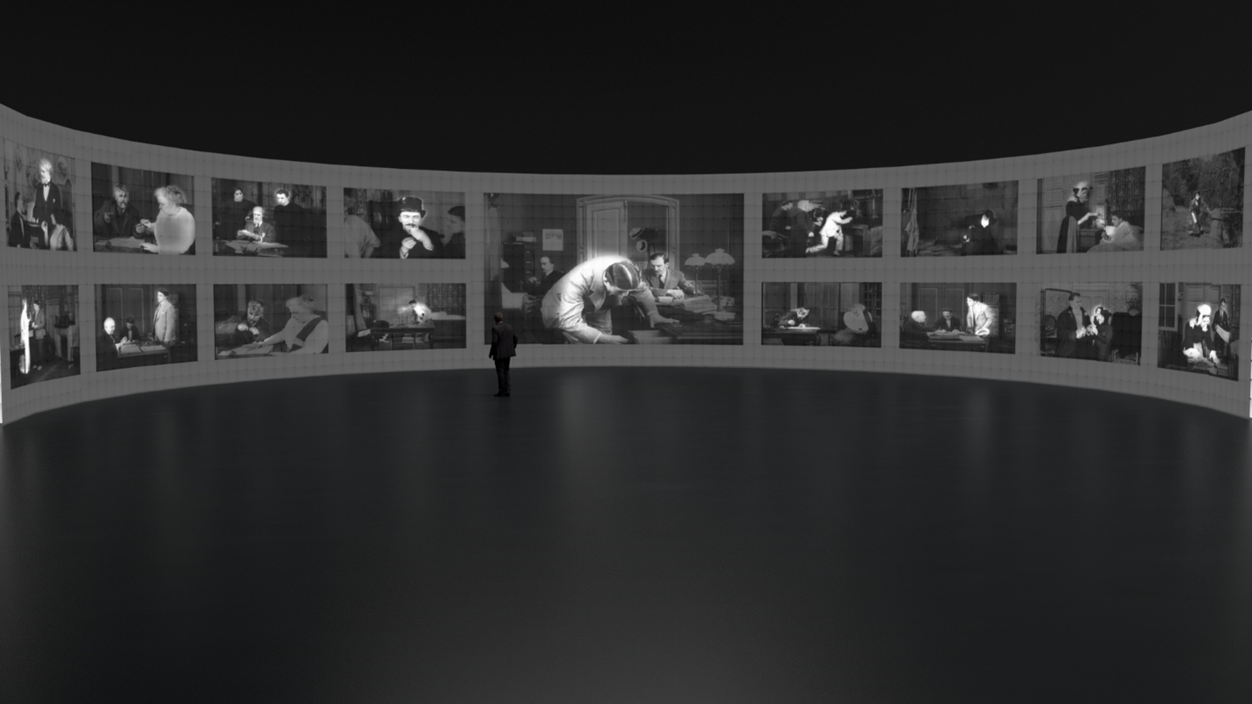
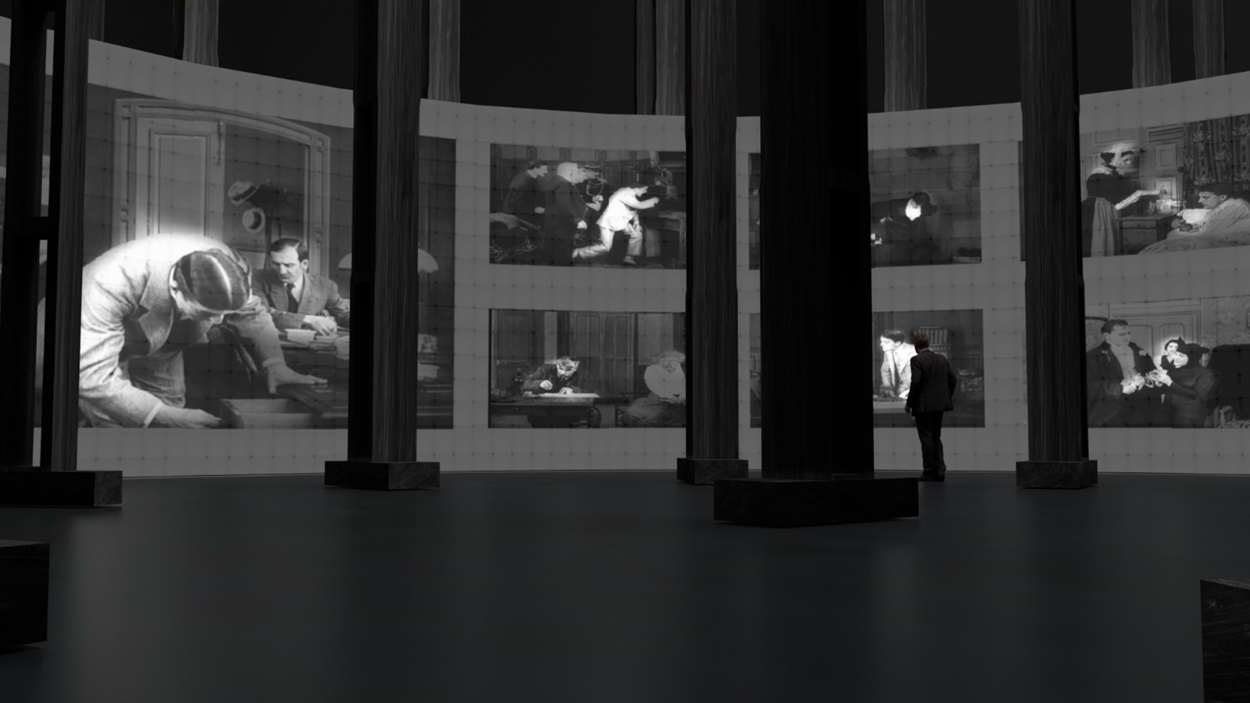
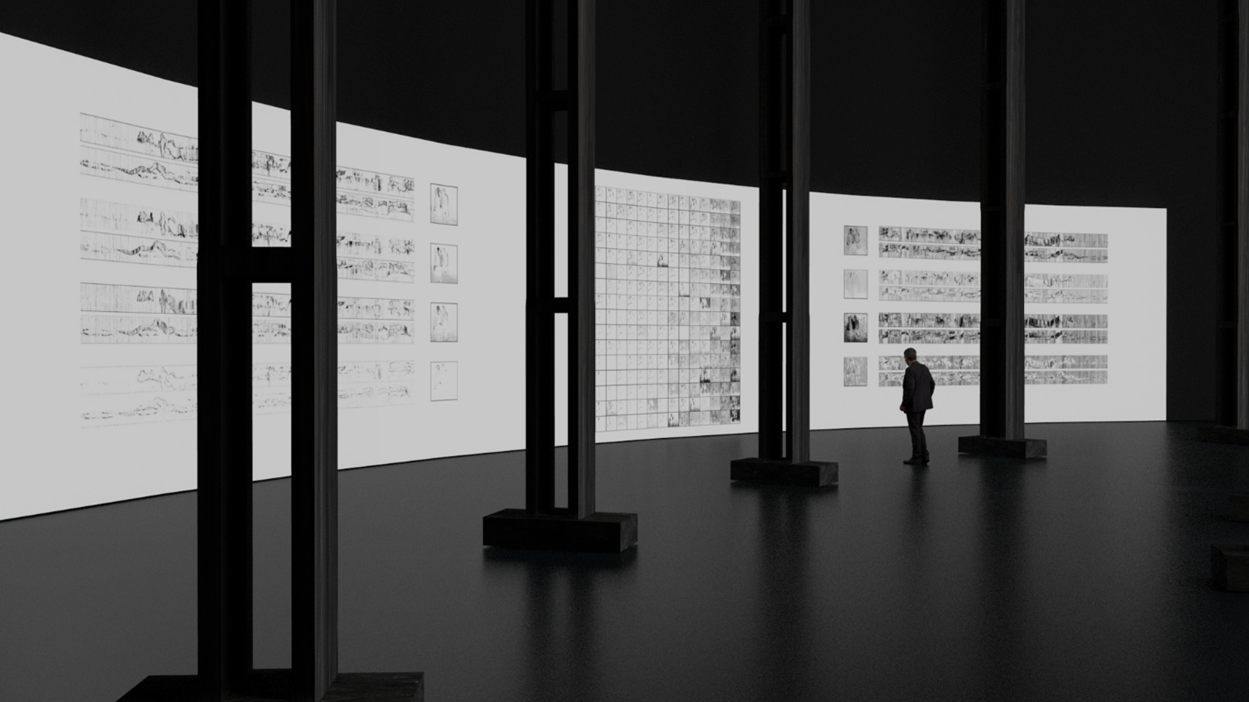
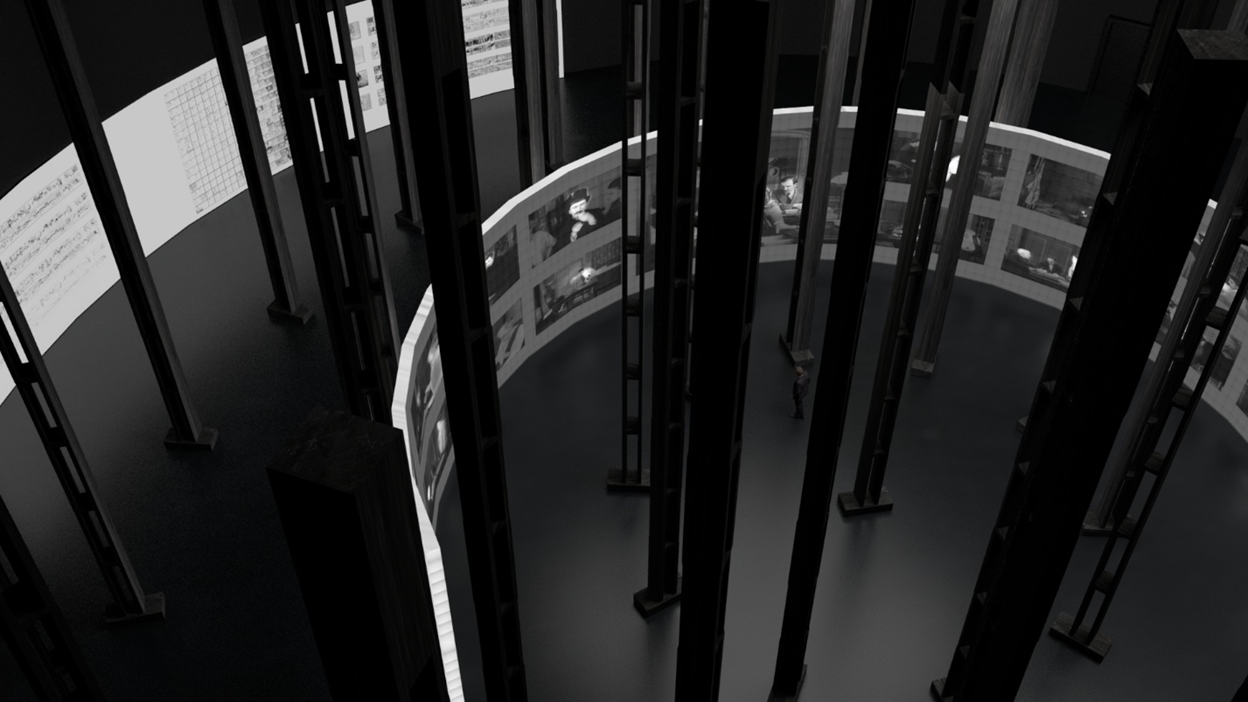
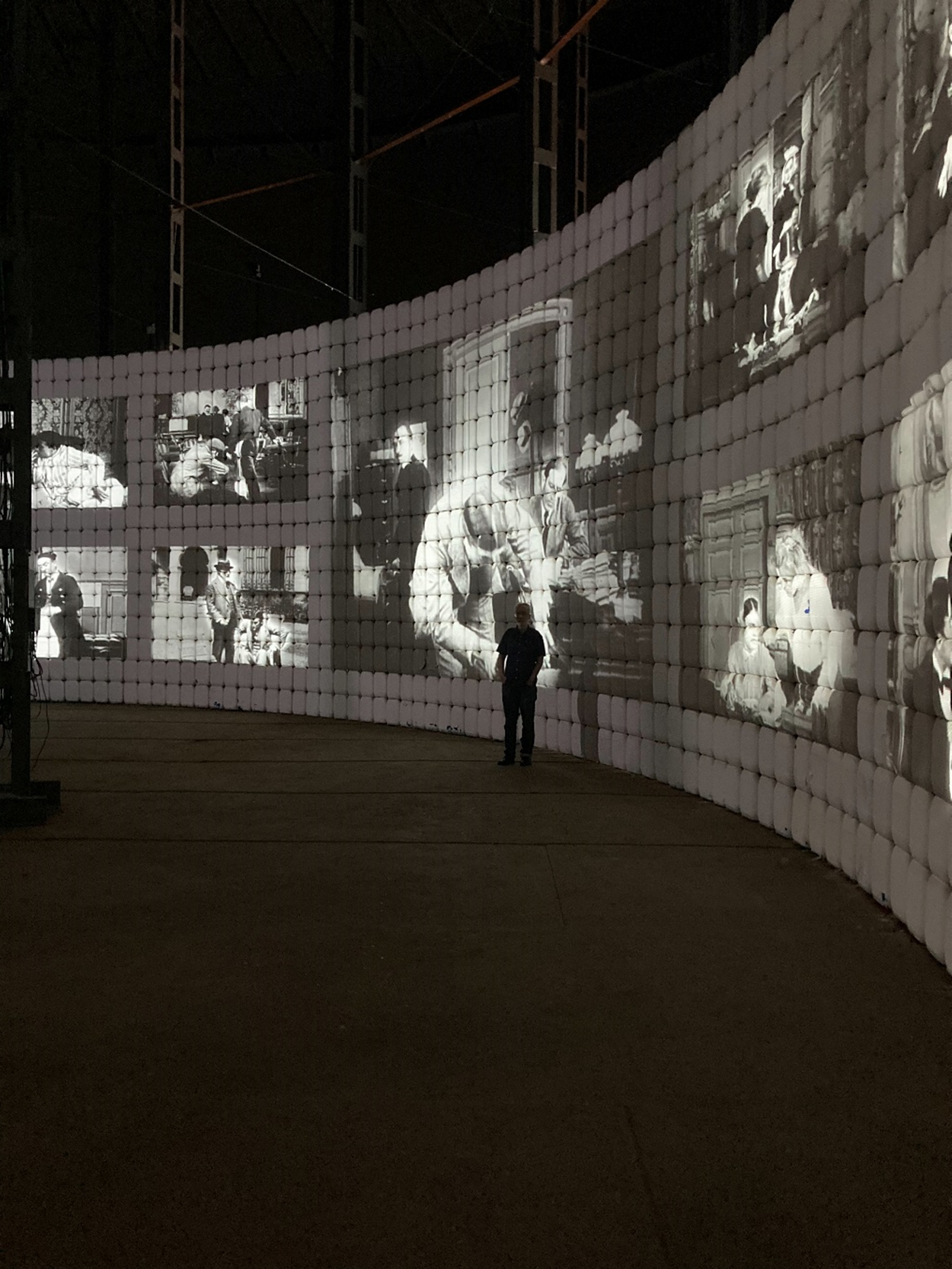
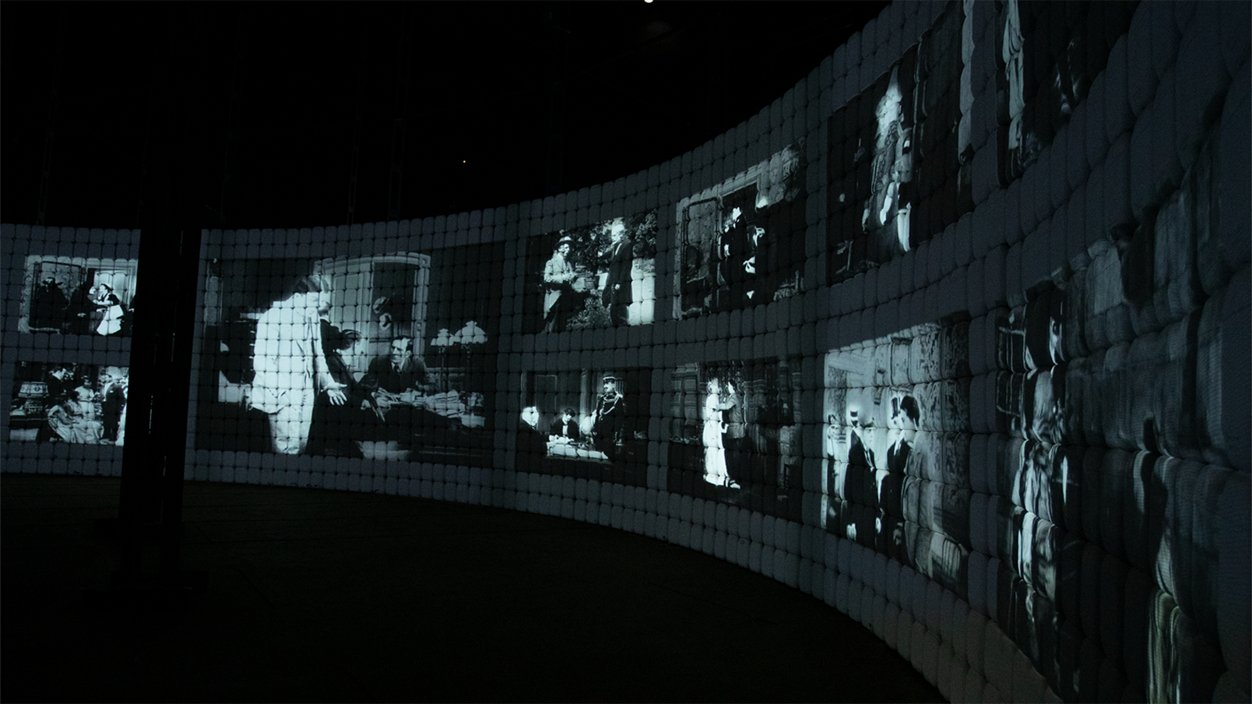
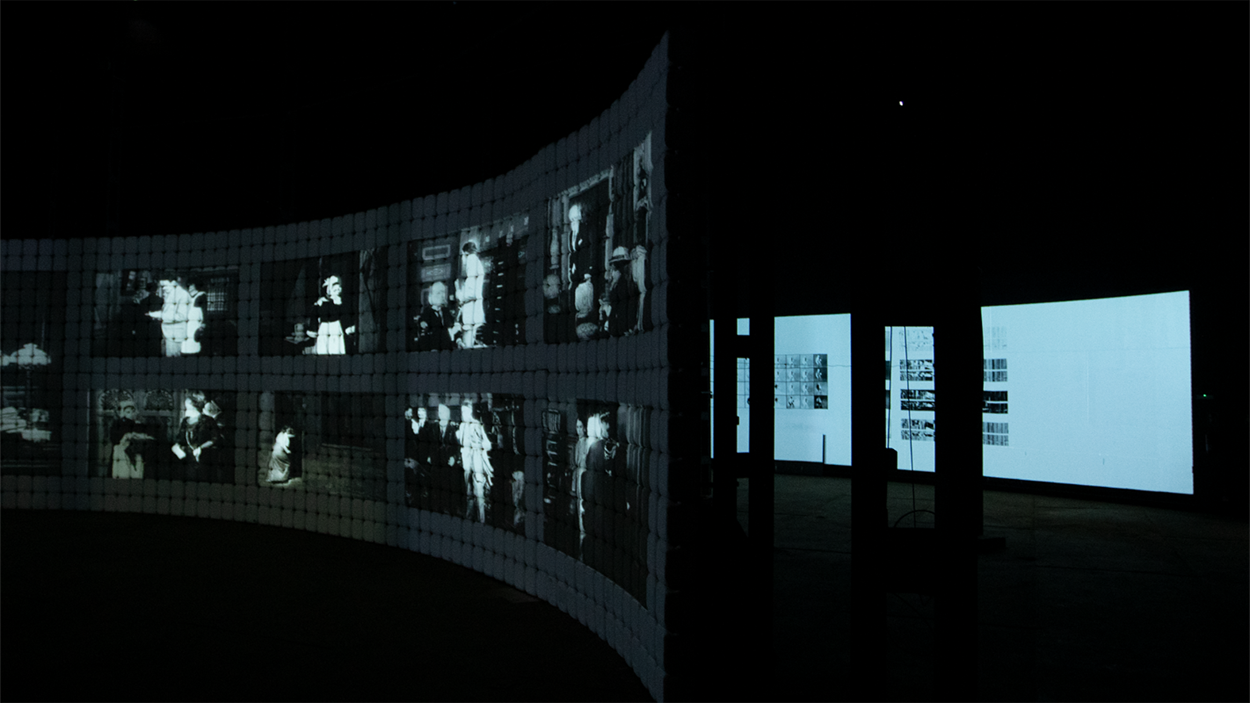
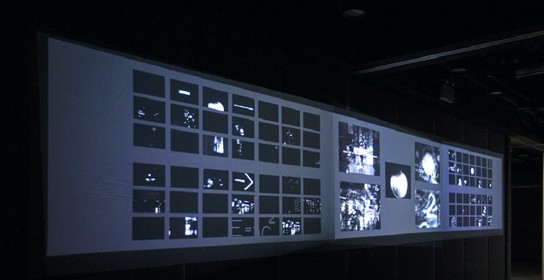
Hidden Networks is a large-scale eight-channel video installation that applies machine learning techniques to the analysis of the moving image. A system of deep neural networks analyzes the optical flow in a dataset of silent films directed by Louis Feuillade and identifies scenes with similar motions: scenes in which the figures move in the same direction, with the same speed, or with the same rhythm. The work was selected by a jury convened by the government of the Canary Islands for presentation at the El Tanque Cultural Centre in Tenerife.
A video documentation of the installation can be found at https://vimeo.com/581860190
The following website introduces the concept of the work:
http://concept-script.com/hidden_networks/index.html#
Image gallery
3D model used in the production of the work, these images are the actual installation in the El Tanque Cultural Centre.
Recent Exhibition
Héctor Rodríguez, Hidden Networks (solo exhibition), El Tanque Cultural Center (Tenerife, Spain), 3 July, 2021.
For more information about the exhibition, please visit
http://www.gobiernodecanarias.org/cultura/eltanque/eventos/RedesOcultas
A project about the automatic analysis and visualization of motion in the cinema. A newly designed machine learning algorithm decomposes the movement in every sequence of a movie into a set of elementary motions. These elementary motions are then recombined to produce a reconstruction of the visible movement in the sequence. The analysis and reconstruction are displayed as a two-channel video installation. The visualization of the movement uses a variant of the streakline method often employed in fluid dynamics.
Shown at: Neural Information Processing Systems NEURLPS, December 9, 2020.
http://www.aiartonline.com/highlights-2020/hector-rodriguez-3/
.png?rev=00def486ddd147709cce23abad5bd746&hash=1020E0B7F8F5EAB35907F2DB1872FE86)
This video uses deep learning and archetypal analysis methods to analyze and visualize the rhythmic flow of Maya Deren's 1948 film Meditation on Violence, made in collaboration with Chinese martial artist Chao-Li Chi (Ji Chaoli).
Shown at: Conference on Computer Vision and Pattern Recognition (CVPR) 2021: Computer Vision Art Gallery, 19 June 2021
https://computervisionart.com/pieces2021/deep-archetypes/
| <drupal-entity data-embed-button="media_browser" data-entity-embed-display="view_mode:media.embedded" data-entity-type="media" data-entity-uuid="489e51ab-aa3f-4399-adfe-cbd94c3149aa" data-langcode="en"></drupal-entity> |
People