

Redefining Craftsmanship: Victor Leung's Creative Tools for Artists
Physical Computing & Fabrication
|
|
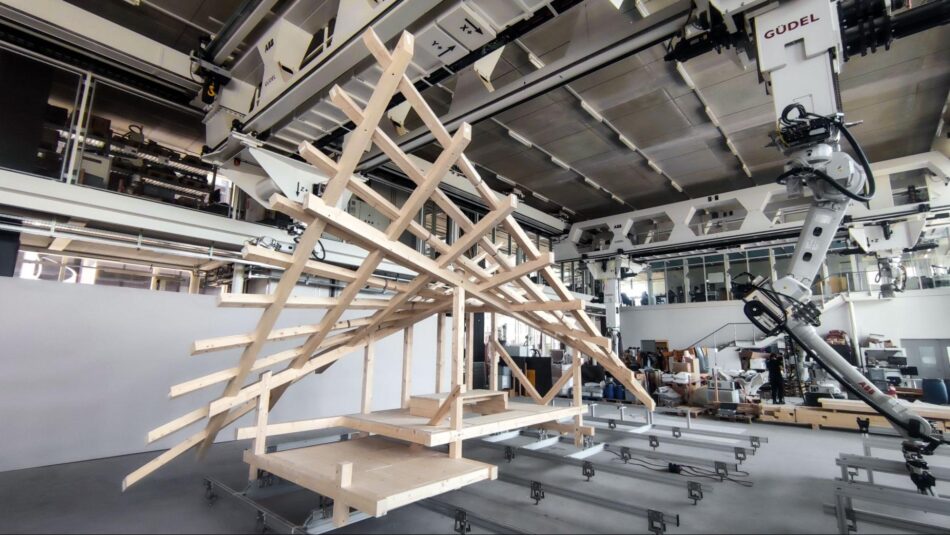
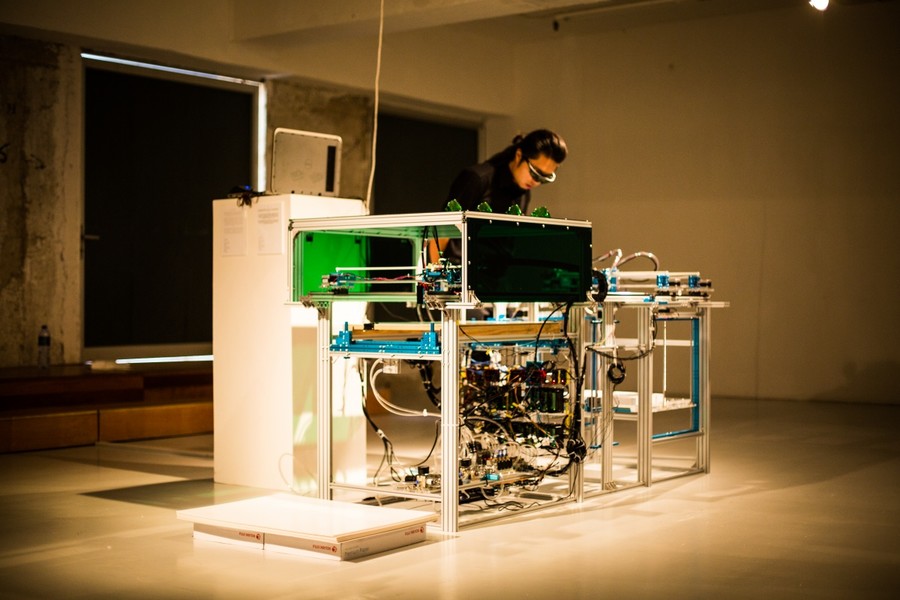
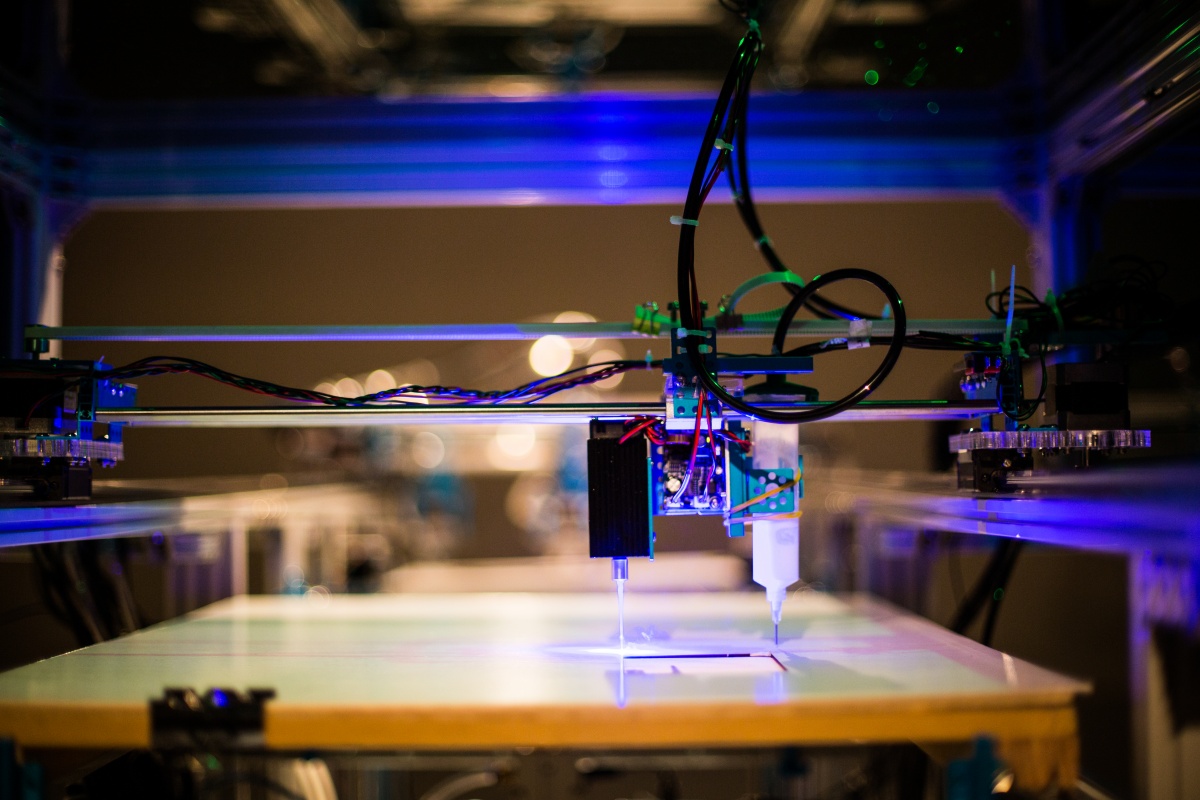
Assistant Professor Victor Leung’s practice revolves around being a tool maker for artists, creating technologies that expand creative possibilities. He develops custom robotic and software tools that enable creative practitioners to engage with fabrication processes in new ways. These tools are technically sophisticated integrating robotics, motion control, and computer vision but they are designed to be used as creative extensions, much like how traditional craftsmen built their own specialized tools. One representative project is Chemical Skin, a collaboration with SCM Associate Professor Tobias Klein, in which he developed a laser projection system to activate a photosensitive chemical coating on 3D-printed objects. The goal was to reinterpret Chinese ceramic glazing traditions through robotic precision, enabling artists to craft layered, culturally meaningful surfaces using a hybrid of digital and analog processes.
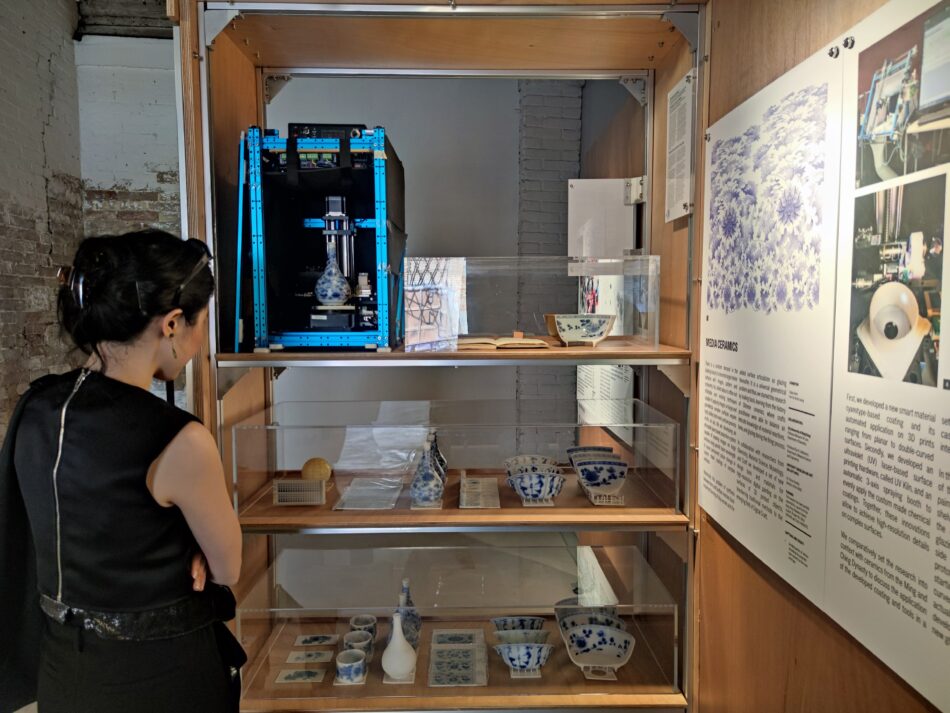
The project originated from the recognition that while most 3D printing technologies are highly effective at achieving geometric complexity, functionality, and precise parts, they are generally not designed to articulate the surfaces of 3D-printed objects with intricate patterns, motifs, or coloration. The challenge of uniting form and surface can be traced back to the earliest clay vessels, where surface decoration through glazing was added after the clay was fired. Throughout the long history of Chinese ceramics, craftsmen combined deep expertise in material behavior, form, and glazing during firing with a spirit of curiosity and innovation.
Through their exploration of how this ancient craft could be transferred, Prof. Leung and his team integrated scientific, historical, cultural, and technical perspectives to examine and reflect on the digital process of creating glazes for 3D-printed objects. Using an experimental and inclusive interdisciplinary approach that combined material experimentation with cataloguing and design applications, the team assembled an index of suitable chemical reagents and developed robotic and software tools for applying them to 3D-printed surfaces. The resulting form of digital craftsmanship expanded the repertoire available to contemporary digital artists and designers. By adopting techniques and methods from one of the oldest artistic traditions and translating them into state-of-the-art additive manufacturing processes, the team worked to develop tools for today’s digital artists, designers, and the broader global maker community.
Among Prof. Leung’s many remarkable projects in this field is The Sweetest CNC Machine, which involved an 11-day robotics workshop at the Architectural Association Visiting School in Hong Kong, which he led. The workshop was designed to deepen participants’ understanding of CNC control, robotics, and 3D printing. Students worked in teams of three to build their own three-axis 3D printers, starting with basic mechanical components such as beams and bearings to assemble a sophisticated machine. Prof. Leung structured the project as a progressive learning experience that evolved from a simple single-axis linear stage into a four-motor, three-axis, temperature-controlled 3D printer. To communicate complex assembly steps clearly, he used a web animation developed during his MIT thesis, making the instructions accessible. This process allowed students with no engineering background to quickly grasp how the components fit together.
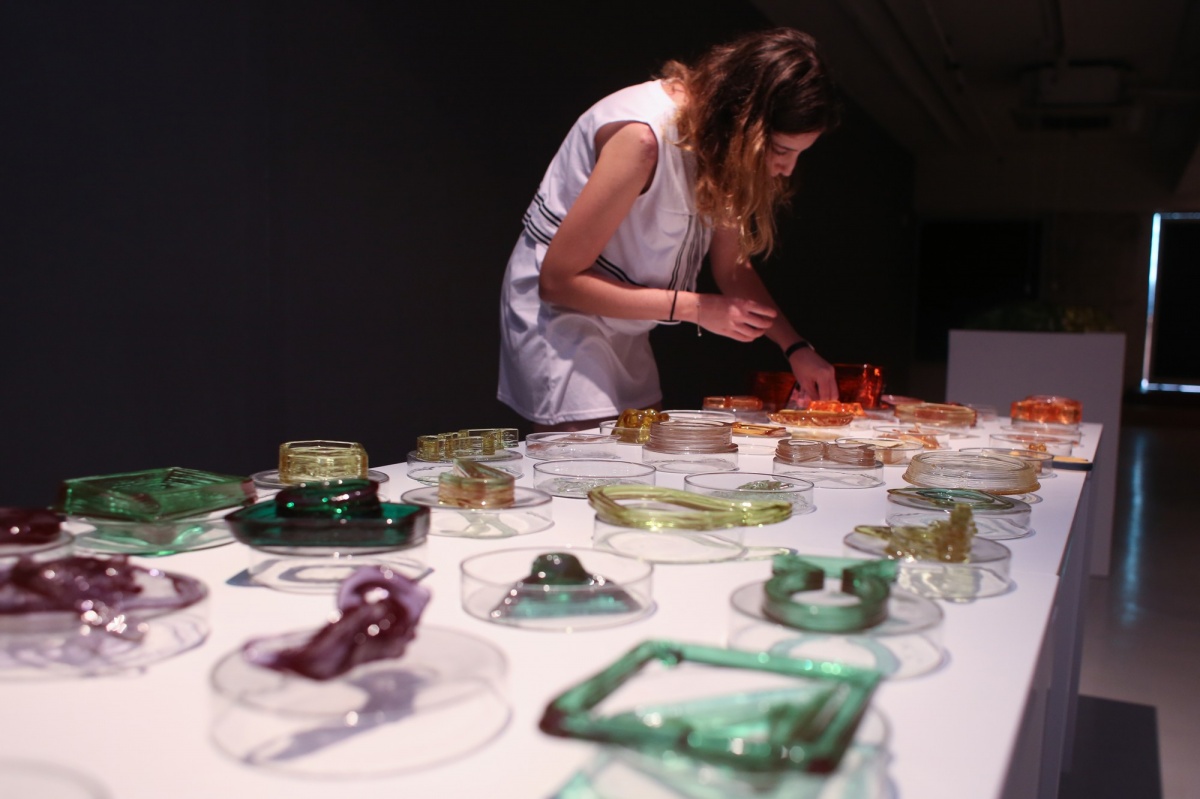
Prof. Leung developed a sugar 3D printer for this project, which was an indirect adaptation of the glass 3D printing project created at the MIT Media Lab. The aim was to offer students an educational experience that allowed them to explore the technology behind 3D printing in depth. By engaging with the complexity of CNC-controlled robotics and the intriguing material science involved, students were able to appreciate the 3D printer as a remarkable synthesis of these two fields.
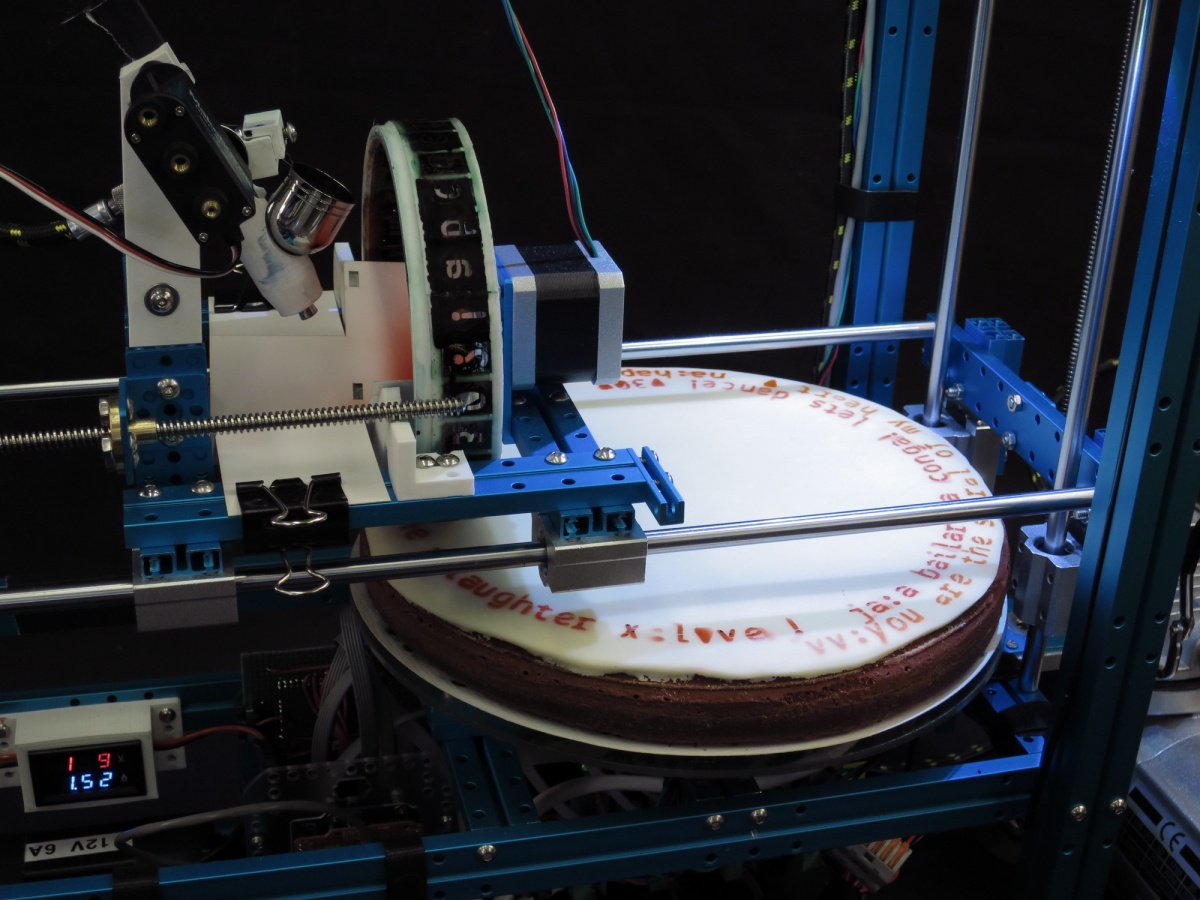
Another captivating project by Prof. Leung involved developing a CNC stencil cake decoration machine for a birthday cake, created in collaboration with Ines Ariza, who was the birthday girl herself. Drawing inspiration from traditional movable type printing and stencil spray techniques commonly used outdoors, Prof. Leung designed a machine that sprays edible food dye onto a cake. After initially experimenting with food coloring spray cans, the team switched to an airbrush system powered by an electric compressor. The dual-action airbrush allowed independent control of airflow and ink flow, enabling precise regulation of ink while maintaining constant air pressure, completely eliminating the uncontrollable splattering associated with spray cans. The machine was constructed using Makeblock robotic components; their modular beam system and easily attachable parts enabled rapid prototyping and early error correction. This device features four axes and a digital output to control ink flow. The stencil, designed by Ariza, produced cake decorations that were highly satisfying to the team.
Prof. Leung’s innovative projects exemplify the fusion of technology, craftsmanship, and creativity, pushing the boundaries of digital fabrication. Through interdisciplinary collaboration and inventive tool-making, he continues to empower artists and makers to explore new possibilities in their work.
Faculty Profiles:

.jpg?rev=39b0664bdd5149b0837ec49be27fdb2d&hash=20B16E36B181935A685D666653CB395D)

